Mastering the Art of Making Fermented Foods
Fermented foods have been a staple in diets around the world for centuries. They offer unique flavors, enhanced nutrition, and a host of health benefits. Whether you are a culinary enthusiast or someone looking to improve gut health, mastering the art of making fermented foods can be a rewarding and enjoyable experience. This guide will walk you through the essentials, from understanding fermentation to practical tips for creating your own delicious fermented dishes at home.
The Basics of Making Fermented Foods
Fermentation is a natural process where microorganisms like bacteria, yeast, or molds convert sugars and starches into alcohol or acids. This process preserves food and creates distinctive tastes and textures. Common fermented foods include yogurt, sauerkraut, kimchi, kombucha, and sourdough bread.
To start making fermented foods, you need a few basic ingredients and tools:
Fresh vegetables or fruits
Salt or starter cultures
Clean jars or fermentation crocks
A weight to keep the food submerged
A cool, dark place for fermentation
The key to successful fermentation is controlling the environment to encourage the growth of beneficial microbes while preventing harmful bacteria. Salt concentration, temperature, and time are critical factors.

Step-by-step fermentation process:
Prepare the ingredients: Wash and chop vegetables or fruits.
Add salt or starter: Salt draws out moisture and inhibits bad bacteria.
Pack tightly: Press the food into the jar to remove air pockets.
Weigh down: Use a fermentation weight to keep the food submerged.
Cover and store: Seal loosely or use an airlock lid and place in a cool spot.
Wait and taste: Fermentation time varies from days to weeks depending on the recipe.
Tips for Making Fermented Foods Successfully
Making fermented foods at home can be simple, but attention to detail ensures the best results. Here are some practical tips:
Use non-iodized salt: Iodine can inhibit fermentation. Sea salt or kosher salt works best.
Keep everything clean: Sterilize jars and utensils to avoid contamination.
Maintain proper temperature: Most ferments thrive between 65°F and 75°F.
Avoid metal containers: Use glass, ceramic, or food-grade plastic to prevent reactions.
Be patient: Fermentation times vary; taste regularly to find your preferred flavor.
Watch for mold: White film (kahm yeast) is usually harmless, but colored mold means discard the batch.
Experimenting with different vegetables, spices, and fermentation times can lead to exciting new flavors. For example, adding garlic and chili flakes to sauerkraut creates a spicy twist, while fermenting cucumbers with dill makes classic pickles.
What are Fermented Foods for Beginners?
If you are new to fermentation, starting with simple recipes is the best way to build confidence. Some beginner-friendly fermented foods include:
Sauerkraut: Fermented cabbage with salt, easy to make and very forgiving.
Yogurt: Requires milk and a starter culture, with a short fermentation time.
Kombucha: Fermented tea with a SCOBY (symbiotic culture of bacteria and yeast).
Pickles: Cucumbers fermented in a salt brine with optional spices.
These foods require minimal equipment and ingredients, making them perfect for beginners. Understanding the basic principles of fermentation will help you troubleshoot and improve your batches over time.
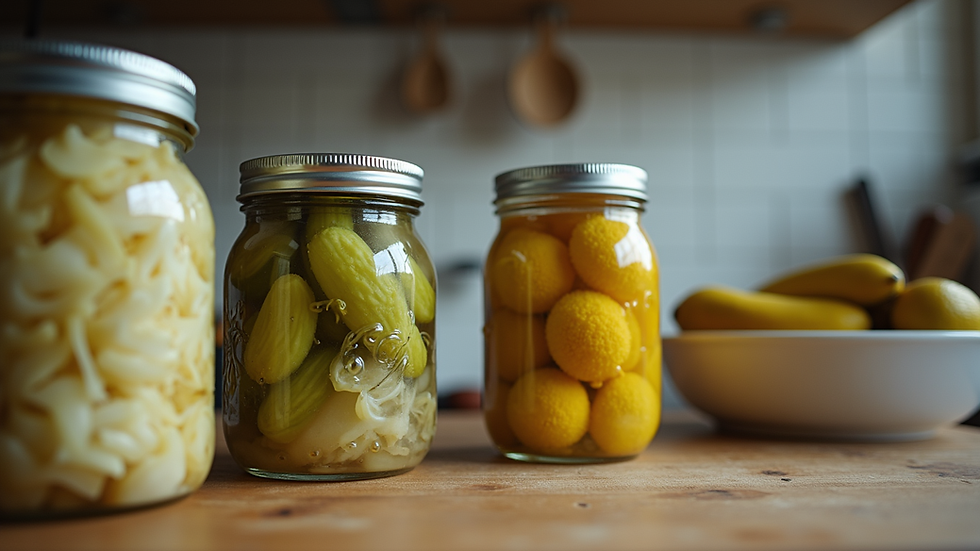
Health Benefits of Fermented Foods
Fermented foods are not only delicious but also offer numerous health benefits:
Improved digestion: Probiotics in fermented foods help balance gut bacteria.
Enhanced nutrient absorption: Fermentation breaks down compounds that inhibit nutrient uptake.
Boosted immune system: A healthy gut supports overall immunity.
Natural preservation: Fermentation extends shelf life without artificial preservatives.
Potential mental health benefits: Gut health is linked to mood and cognitive function.
Including fermented foods in your diet can be a simple way to support overall wellness. However, it is important to introduce them gradually to allow your digestive system to adjust.
Advanced Fermentation Techniques and Recipes
Once you have mastered the basics, you can explore more advanced fermentation techniques and recipes. Some ideas include:
Kimchi: A Korean staple made with napa cabbage, radishes, garlic, and chili.
Sourdough bread: Uses wild yeast and bacteria for natural leavening.
Miso: A fermented soybean paste used in Japanese cuisine.
Tempeh: Fermented soybeans formed into a cake, rich in protein.
These recipes require more precise control of fermentation conditions and sometimes specialized starter cultures. However, the results are rewarding and add variety to your fermented food repertoire.
For those interested in detailed instructions and recipes, learning how to make fermented foods can provide step-by-step guidance and inspiration.
Embracing Fermentation as a Lifestyle
Fermentation is more than just a cooking technique - it is a way to connect with traditional food practices and promote sustainability. By making your own fermented foods, you reduce food waste, save money, and enjoy fresher, healthier options.
Start small, experiment often, and share your creations with friends and family. The art of fermentation is accessible to everyone and offers endless opportunities for creativity and health.
With patience and practice, you will soon be confident in your ability to craft delicious, nutritious fermented foods that enhance your meals and wellbeing.


