Top 5 Medicinal Herbs for Wounds
Updated: Feb 7, 2025
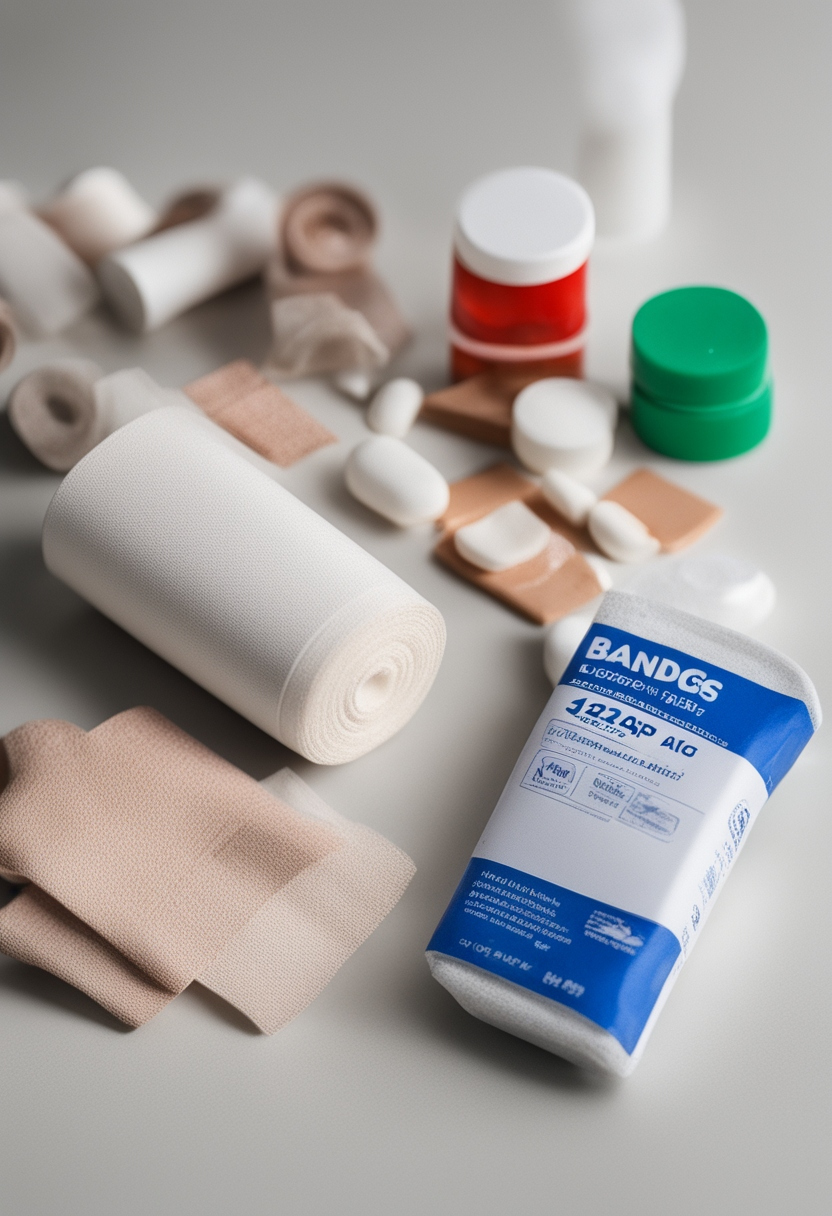
As health-conscious individuals, we are always on the lookout for natural remedies and alternatives to traditional medicine. When it comes to treating wounds, there are a variety of herbs that have been used for centuries for their medicinal properties. In this post, we will discuss the top 5 medicinal herbs for wounds: calendula, comfrey, aloe, yarrow, and plantain. These herbs not only aid in wound healing, but also have antiseptic and anti-inflammatory properties, making them valuable additions to any prepper garden. From cuts to bruises, these herbs have got you covered with their healing powers.
For additional information on these herbs, please see the "Individual Herb Information" section. Also, check out the "Recipes" section for healing salves, and other forms of herbal preparations to help with cuts, scrapes, and bruises.
Calendula: The Gentle Healer
Calendula, scientifically known as Calendula officinalis, is renowned for its vibrant orange or yellow flowers and its remarkable healing properties. This herb serves as an excellent natural remedy for cuts, scrapes, and bruises due to its potent anti-inflammatory and antimicrobial qualities, which accelerate wound healing and prevent infection.
To utilize calendula for medicinal purposes, the flowers can be infused in oil or made into a salve, which is then applied topically to the affected area.
Growing calendula is straightforward, making it accessible even to novice gardeners. It thrives in well-drained soil and full to partial sunlight. Calendula seeds can be sown directly in the garden after the last frost, and with minimal care, these plants will bloom from early summer until the first frost, offering a continuous supply of healing flowers. Harvesting is best done in the morning after the dew has evaporated when the flowers are at their peak. To dry, lay the flowers out in a single layer in a warm, airy location away from direct sunlight. For preservation, dried calendula flowers can be stored in an airtight container in a cool, dark place, ensuring that their medicinal properties are maintained.
Including calendula in a garden provides a readily available, natural antiseptic for cuts and scrapes, embodying a cornerstone of holistic wound care.
Comfrey: Nature’s Knitbone
Comfrey, scientifically recognized as Symphytum officinale, has earned its moniker "Nature’s Knitbone" for its unparalleled ability to aid in the healing of broken bones, sprains, bruises, and cuts. The active compound in comfrey, allantoin, promotes cell growth and repair, making it an indispensable herb for wound healing. To harness its benefits, comfrey leaves can be used to make a poultice or infused into an oil, which is then applied directly to the affected area. However, due to its potent properties, it is recommended for external use only.
Cultivating comfrey is relatively simple, as it requires little maintenance once established. This perennial herb prefers partial shade to full sun and thrives in well-drained soil. Comfrey can be propagated from root cuttings planted in early spring or late fall. It is a hardy plant that, once settled, will grow back year after year, providing an abundant supply of leaves for medicinal use. Harvesting of leaves can be done throughout the growing season, ensuring that there is always fresh comfrey available when needed.
To preserve comfrey, leaves can be dried in a cool, dark place and stored in an airtight container for future use. Integrating comfrey into a garden not only offers a natural way to heal wounds and bruises but also enriches the soil with its deep-rooting system, making it a valuable ally in both health and garden vitality.
Aloe: The Soothing Gel
Aloe vera, distinguished by its thick, succulent leaves, is a cornerstone in the realm of natural wound healing. The clear gel found inside its leaves is laden with bioactive compounds, including vitamins, minerals, amino acids, and antioxidants, which collectively contribute to its soothing, anti-inflammatory, and antimicrobial properties. This makes aloe vera an exceptional remedy for burns, minor cuts, and skin irritations, as it not only accelerates the healing process but also hydrates and reduces pain. The gel can be applied directly from the leaf to the wound, offering immediate, cooling relief.
Growing aloe vera is both simple and rewarding, requiring minimal care. It prefers bright, indirect sunlight and well-draining soil, making it an ideal plant for indoor cultivation. Water sparingly, allowing the soil to dry out completely between watering, to mimic its natural arid environment. Propagation is easily achieved by transplanting the offsets produced by the parent plant.
Harvesting aloe vera involves cutting a mature leaf at the base and extracting the gel. The leaves can be stored in the refrigerator for short-term use, while the gel can be frozen for long-term preservation. Including aloe vera in one's garden or home brings a versatile, natural healer into close reach, enhancing any holistic approach to wound care.
Yarrow: The Wound Warrior
Yarrow, known scientifically as Achillea millefolium, stands out in the herbal medicine world for its powerful ability to stop bleeding and promote healing. This herb, with its characteristic feathery leaves and white to pink flowers, is traditionally used to treat external wounds such as cuts and deep scrapes. The key components in yarrow, including flavonoids and alkaloids, contribute to its astringent and anti-inflammatory properties, making it an effective natural remedy for wound care.
To apply yarrow for its healing benefits, the leaves and flowers can be crushed and applied directly to wounds or infused into a healing salve. Cultivating yarrow is a relatively easy task for gardeners of all levels. It is a hardy perennial that adapts well to a range of conditions but prefers full sun and well-drained soil.
Yarrow can be propagated from seed in the spring or by dividing established plants in the early fall. This plant is drought-tolerant and generally low-maintenance, making it a steadfast addition to any medicinal garden. For harvesting, yarrow should be collected when the flowers are in bloom, typically in early to mid-summer, to ensure the highest concentration of medicinal compounds. The plant parts can then be dried and stored in a cool, dark place for later use. Incorporating yarrow into a garden not only brings a resilient herb for wound healing but also attracts beneficial insects, supporting overall garden health.
Plantain: The Backyard Bandage
Plantain, scientifically known as Plantago major, is a potent medicinal herb often overlooked due to its common presence in backyards and sidewalks. Despite its humble appearance, plantain is a powerhouse for wound healing, boasting anti-inflammatory, antimicrobial, and analgesic properties. Its leaves contain allantoin, an active compound that promotes cell growth and tissue repair, making it highly effective for treating cuts, scrapes, and insect bites.
To utilize plantain's medicinal properties, fresh leaves can be crushed or chewed to release their juices and then applied directly to the wound, or they can be infused into a salve or poultice for later use. Growing plantain is remarkably easy, as it thrives in poor soil and requires little maintenance. It prefers full sun to partial shade and can be harvested as needed, with leaves being most potent when picked before the plant flowers. Plantain is a perennial, returning each year to provide healing benefits.
To preserve plantain, leaves can be dried in a dark, airy space and stored in an airtight container for use throughout the year. Adding plantain to your garden or recognizing its value in the wild enriches your natural healing toolkit, offering an always accessible remedy for wounds and skin irritations.


