Violet: An Underrated Herb for Cold, Flu, Lymphatic, and Heart Support
Updated: Mar 16, 2025
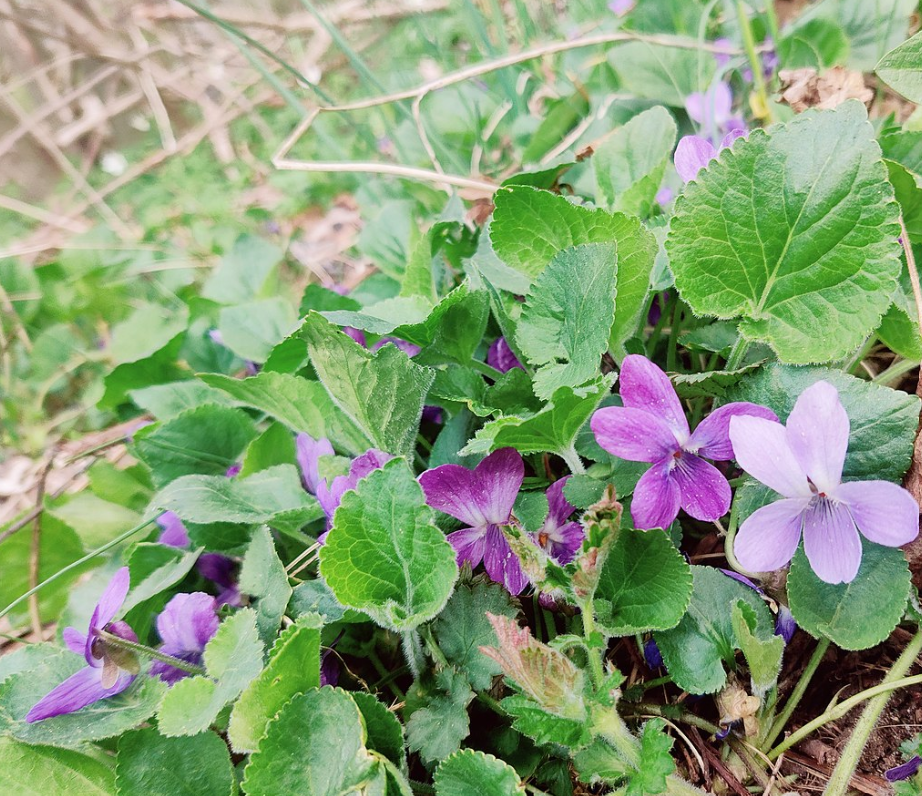
Violets are often passed over when thinking about herbs for the cold and flu season, yet these beautiful flowers possess a storied history of medicinal use. Beyond easing respiratory ailments, violets can play a supportive role in lymphatic health, and have even been mentioned in some traditional sources for gentle heart and circulatory benefits. Below, we’ll explore the legacy of violet in various cultures, its broad range of health applications, the best ways to grow and harvest it, and methods for preparing it into effective remedies.
A Brief History of Violet in Traditional Medicine
Across countless generations and cultures, violets have been cherished not just for their delicate appearance but also for their healing properties. Ancient Greek healers were among the first to document the use of violets for respiratory complaints—coughs and colds, in particular. They valued its mild yet effective nature.
Moving through history, Roman practitioners continued to use violets for both physical and emotional well-being, reflecting a holistic view of health that considered mind, body, and spirit. Indigenous peoples across North America also discovered the benefits of violets for easing respiratory symptoms and addressing common skin issues, underscoring the plant’s versatility. Meanwhile, medieval Europeans saw violets as more than just a medicinal herb, often weaving them into folklore that granted them protective attributes.
This rich tapestry of use—from ancient Greece to medieval Europe—demonstrates how violets have remained a trusted herbal ally. Their ability to offer a variety of healing benefits has ensured they remain relevant, even in modern holistic health practices.
Medicinal Uses of Violet
1. Colds and Flu
One of violet’s most well-known attributes is its gentle support during colds and flu. The plant contains soothing, mucilaginous compounds that can help ease a sore throat and calm persistent coughing. A warm infusion made from the flowers and leaves is often used throughout the day for relief.
2. Lymphatic Support
The lymphatic system is essential for immunity and detoxification, and violets offer mild yet consistent support here. Whether infused into an oil for massage or brewed into a tea, violets can help encourage lymph flow and reduce congestion. This gentle detox approach can complement other immune-boosting practices.
3. Skin Conditions
Violets are frequently called upon to soothe skin irritations like rashes, eczema, or mild infections. A salve or poultice made from the leaves provides a protective layer and cooling effect. Those dealing with chronic skin issues may also find benefit in regularly drinking violet tea or using a violet-based tincture alongside topical applications.
4. Cardiovascular or Heart Health
Although not extensively studied in modern research, traditional herbal texts occasionally note violets for mild heart and circulatory support. Their gentle diuretic and antioxidant properties are thought to lend an indirect benefit to the cardiovascular system, helping to maintain healthy blood pressure levels and promoting overall circulation. Always consult a healthcare professional for any serious heart concerns, but adding a small amount of violet to your wellness routine might provide subtle cardiovascular support.
Steps to Grow and Harvest Violet
Cultivating violets at home ensures you have ready access to this versatile plant. They thrive in partially shaded areas with moist, rich soil—conditions resembling forest floors. If you’re growing them in pots, use a high-quality potting mix and ensure proper drainage.
Planting:
Sow seeds directly in early spring or fall, or start them indoors before the last frost.
Cover seeds lightly with soil, as they need some light for germination.
Keep soil evenly moist but not waterlogged.
Propagation by division in fall is another option.
Maintenance:
Feed with a bit of compost or organic fertilizer in spring to support growth.
Mulch around plants to preserve moisture and regulate temperature.
Watch for pests or diseases and address them promptly.
Harvesting:
Pick flowers and leaves in the morning, once dew has evaporated but before midday heat.
Use scissors or pinch them off gently to protect the plant.
Harvest responsibly, leaving enough foliage for regrowth and to support local wildlife.
Drying and Storage:
Lay out the flowers and leaves in a single layer, away from direct sunlight, until crisp.
Store in airtight containers in a cool, dark area.
Preparing Violet for Medicinal Use
After harvesting your violets, you can transform them into a variety of herbal remedies:
Infusion (Tea):
Combine a handful of fresh or dried violet flowers and leaves with boiling water.
Cover and steep for 10–15 minutes.
Strain and drink to soothe coughs, calm a sore throat, or support overall health.
Infused Oil:
Gently crush fresh violet leaves and flowers.
Place them in a jar and cover with a carrier oil (e.g., olive or almond).
Keep the jar in a warm spot for 2–3 weeks, shaking it daily.
This oil is excellent for soothing skin irritations or for a lymphatic massage.
Tincture:
Fill a jar halfway with dried violet flowers and leaves.
Cover with 40% alcohol (such as vodka or brandy), leaving an extra 1–2 inches of liquid above the plant material.
Seal and store in a cool, dark place for 4–6 weeks, shaking occasionally.
Strain and use internally for general immune support or externally as an antimicrobial wash.
Bath Additive:
Place fresh or dried violet in a muslin cloth or tea bag.
Let it soak in warm bathwater to promote relaxation and soothe the skin.
An Herbal Medicinal Formula Including Violet
A synergistic approach to lymphatic support can feature violet as the star ingredient alongside other herbs:
Violet (flowers and leaves)
Cleavers (stimulates lymphatic drainage)
Calendula (anti-inflammatory, helps reduce swelling)
Red Clover (traditionally used to purify the blood)
Instructions:
Combine equal parts of each dried herb in a jar.
Use about one teaspoon of the blend per cup of boiling water.
Steep for 15–20 minutes, then strain.
Drink 1–2 cups daily to help bolster lymphatic function, detoxification, and overall immune health.
Contraindications and Cautions
Allergies:
Individuals with known sensitivities to the Viola family should avoid violet to prevent adverse reactions. Discontinue use if you notice unusual symptoms.
Pregnancy and Nursing:
If you’re pregnant or breastfeeding, consult with a healthcare professional before introducing any new herb, including violet, into your routine.
Heart Concerns:
While violet may offer gentle heart support, it should never replace medical advice or prescribed treatment for serious cardiovascular issues. Always talk to a qualified provider about combining violet with any existing heart therapies.
Holistic Approach:
Violets can complement, but not substitute, professional medical care. For chronic conditions or if you’re on medication, consult an herbalist or doctor to avoid potential interactions.
In Summary
Violets hold a time-tested place in herbal medicine, valued for their ability to ease cold and flu symptoms, promote lymphatic wellness, and calm various skin complaints. They may also provide mild benefits for cardiovascular health, though this area requires more research. By growing, harvesting, and preparing violets thoughtfully—and consulting professionals when needed—you can enjoy the gentle yet remarkable healing qualities this lovely flower has to offer.


