Aloe: Unlock the Healing Power of This Timeless Treasure
Updated: Mar 13, 2025

For centuries, the aloe plant has been revered for its remarkable healing properties. Known as the "plant of immortality" in ancient Egypt, aloe has been used to treat everything from sunburns to digestive issues. Today, this powerful plant continues to be a staple in natural health and skincare, offering a wide range of benefits that are as effective as they are diverse. In this comprehensive guide, we'll unlock the healing power of aloe, covering everything from how to grow and harvest this versatile plant to its myriad medicinal uses and how to prepare it for home use.
Growing Your Own Aloe Plant
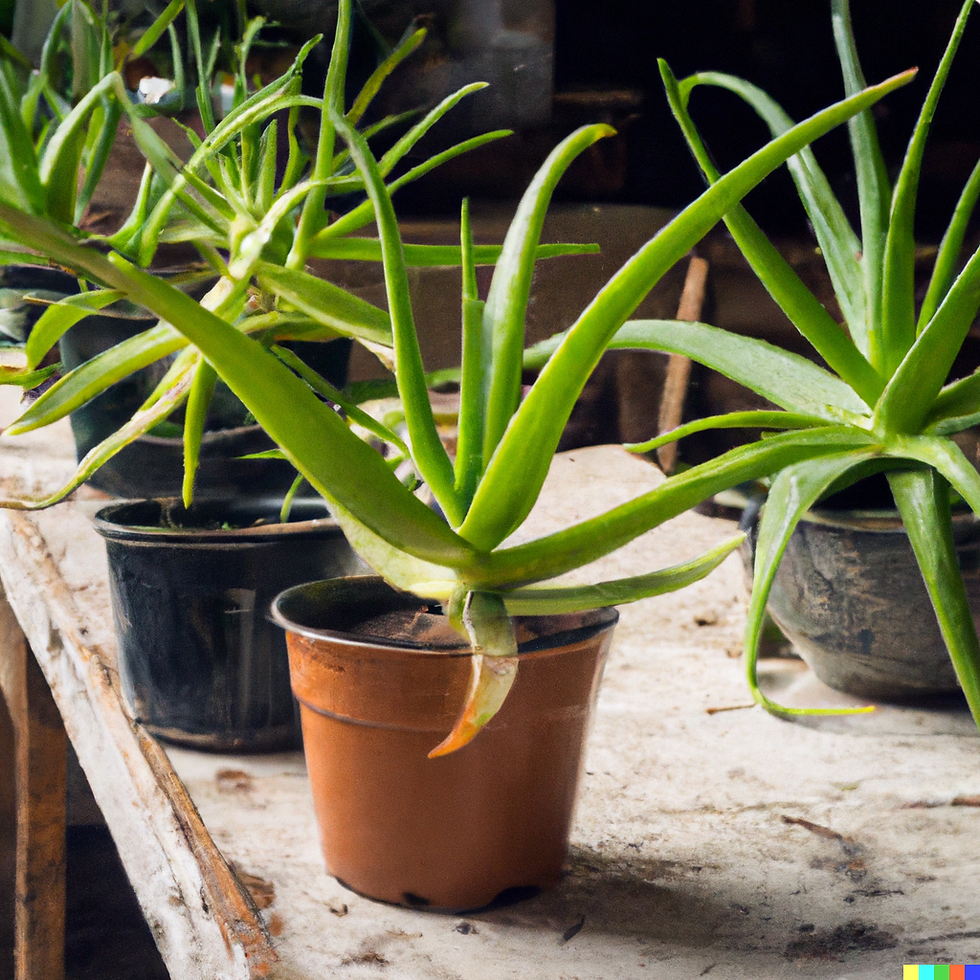
Embarking on the journey of nurturing an aloe plant at home is both fulfilling and practical. These hardy succulents are well-suited for indoor and outdoor environments, thriving on minimal care. Opt for a pot with adequate drainage holes and fill it with a mix of potting soil and perlite or sand to ensure the well-draining conditions aloe plants love. Position your aloe in a place where it can bask in plenty of sunlight, ideally near a south or west-facing window if indoors. Watering should be done sparingly; let the soil completely dry out before giving your plant a thorough watering. Over-watering is a common pitfall, so err on the side of too little rather than too much. With these simple care tips, your aloe plant will not only grow but flourish, ready to provide you with its healing gel. Remember, patience is key, as aloe plants grow slowly but surely, rewarding your care with their resilient beauty and myriad health benefits.
The Art of Harvesting Aloe Leaves
When it comes to harvesting aloe leaves, timing and technique are key. Focus on selecting the lower, outermost leaves as these are the oldest and most nutrient-rich. It’s crucial to use a clean, sharp instrument to make a precise cut near the base of the leaf to avoid damaging the plant. This method encourages healthier growth and ensures the longevity of your aloe. Once the leaf is removed, it's important to utilize it promptly to maximize the benefits of the fresh gel. If you notice any leaves that are thin or discolored, it's best to leave those be, as they might not provide the high-quality gel aloe is known for. Harvesting should be done sparingly—taking only a few leaves at a time—to maintain the plant’s health and vitality. This mindful approach to harvesting not only preserves your aloe plant but also ensures a steady supply of this healing gel for various uses around your home.
Storing Aloe Vera for Long-Term Use
To ensure your aloe vera remains potent and ready for use over time, proper storage techniques are essential. For immediate use, freshly extracted aloe gel can be kept in the refrigerator in an airtight container for up to a week. To extend its shelf life further, freezing offers a convenient solution. Place the aloe gel into ice cube trays, allowing it to freeze solid. Once the gel is frozen, transfer the cubes to a freezer-safe bag or container. This method locks in the aloe’s beneficial properties for future use. For an even smoother gel, consider blending the aloe prior to freezing. This step makes the aloe easier to incorporate into recipes or apply topically later on. By employing these storage strategies, you can maintain a ready supply of aloe vera, ensuring that its healing qualities are preserved for when you need them most.
A Panacea for the Skin: Aloe's Medicinal Uses
Aloe vera shines as a skin health champion, celebrated for its capacity to calm, hydrate, and heal. Its application offers immediate relief for sunburn, employing its cooling sensation and anti-inflammatory agents to reduce discomfort and expedite recovery. Aloe is adept at mending minor cuts and abrasions, serving as a natural alternative to over-the-counter first-aid ointments. Its deeply hydrating nature makes it an invaluable moisturizer for those grappling with dry or sensitive skin, providing a layer of moisture without the heaviness of commercial creams. For individuals battling psoriasis or dermatitis, aloe vera can diminish redness and alleviate itching, offering a soothing remedy to irritated skin. This multifaceted plant not only addresses superficial skin issues but also penetrates deeper to support healing and rejuvenation from within, making it a must-have in any natural skincare routine.
Beyond Skin Care: Internal Benefits of Aloe Vera
The potency of aloe vera extends into the realm of internal health, where it serves as a gentle yet effective remedy for digestive ailments. By consuming aloe vera juice, one can experience a soothing effect on the digestive tract, which is particularly beneficial for those suffering from constipation due to its natural laxative properties. Furthermore, aloe's detoxifying capabilities are notable, as it aids in purifying the body and promoting kidney health, potentially aiding in the prevention and dissolution of kidney stones. The anti-inflammatory attributes of aloe leaf juice offer relief to individuals dealing with irritable bowel syndrome (IBS), reducing discomfort and improving overall digestive wellness. It's important to approach the consumption of aloe with care, adhering to recommended quantities to harness its health-enhancing properties effectively.
Preparing and Using Aloe Vera at Home
To prepare aloe vera gel right from your homegrown plant, first, harvest a leaf using the guidelines provided in the harvesting section. Then, with a clean knife, slice off the skin on one side of the leaf to reveal the clear gel inside. Gently scoop out the gel using a spoon, taking care not to include any parts of the leaf's green outer layer, as this can be irritating to the skin and digestive system. For a finer consistency, blend the scooped gel for a brief moment. This gel can be directly applied to areas of the skin needing relief from burns, abrasions, or dryness. For internal use, incorporate the gel into your daily smoothies or juices in small doses to benefit from its digestive aiding properties. Always remember, when trying aloe for the first time or introducing it into your diet, proceed with caution and in moderation to observe how your body responds.
A Refreshing Aloe Vera Smoothie Recipe
Indulge in the goodness of aloe with this invigorating smoothie recipe, perfect for kick-starting your day or as a nourishing midday pick-me-up.
- 2 tablespoons of freshly extracted aloe vera gel
- 1 cup of ripe strawberries, fresh or frozen
- 1 ripe banana for sweetness and texture
- 1/2 cup of your choice of coconut water or almond milk, for a smooth consistency
- Optional: A splash of honey or agave syrup to taste, for added sweetness
1. Begin by placing the aloe vera gel into your blender. This gel, extracted from your homegrown aloe plant, packs the smoothie with digestive and skin-health benefits.
2. Add the strawberries and banana, bringing a burst of antioxidants and natural sweetness that complements the aloe's refreshing qualities.
3. Pour in the coconut water or almond milk to help blend the ingredients into a smooth and creamy texture.
4. If you prefer a touch more sweetness, add honey or agave syrup according to your taste preferences.
5. Blend all the ingredients until the mixture is smooth and uniform in consistency.
Serve this smoothie immediately to enjoy its maximum freshness and nutritional benefits. This concoction is not just a delight to the taste buds but also imbues your body with the holistic wellness of aloe.
Disclaimer: This is Not Medical Advice
Nothing on this page or on this site is meant to diagnose, treat, or cure any condition, illness, or disease. The content provided in this blog post serves solely for educational and informational purposes and should not be construed as medical advice. Nothing stated here or anywhere on this site should be interpreted as a replacement for professional healthcare advice or as a treatment plan for any specific health condition. We strongly encourage you to seek the guidance of a qualified health professional before incorporating any new plant or herb into your health regimen. This is particularly important for those who are pregnant, breastfeeding, or managing existing health issues. Our aim is to inform and inspire a natural approach to supporting wellness, but it's crucial to proceed with caution and informed knowledge, especially when exploring treatments involving medicinal plants and herbs.